The National Gallery invites you to an exhibition dedicated to Anna Jagiellon
Held to mark the 500th anniversary of 1526, the project recalls one of Central Europe’s most important historical events: the Habsburg ascendance to the Czech and Hungarian throne. Instead of traditional dynastic history, however, it focuses on the perspective of the woman at the very centre of those changes.
Like other Czech queens, Anne Jagiellon has received less attention in comparison with her male counterparts. A new exhibition at National Gallery Prague presents her not only as a Jagiellonian princess whose marriage to Ferdinand I and union with the Habsburg dynasty opened a path to the Czech and Hungarian crowns, but also as an active sovereign, who intervened where she could in the political and administrative affairs of the countries under her rule. Her activities as a collector and patron of the arts also contributed to the important role she played in shaping the Habsburg monarchy.
With this exhibition, National Gallery Prague aims to offer a new perspective on a famous period of history while also presenting extraordinary artistic and historic objects from leading European institutions, as well as its own collections. The project is also an example of international collaboration through which NGP can exhibit European cultural heritage to the public in exceptional circumstances.
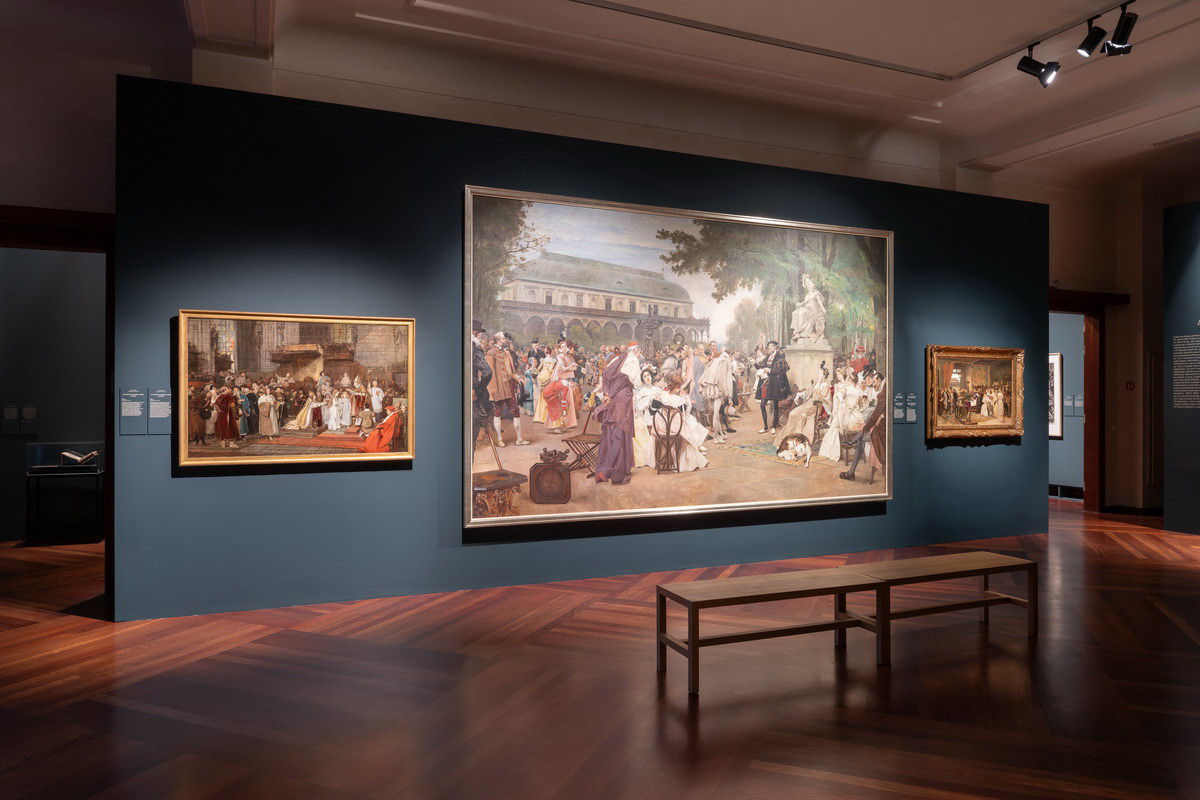
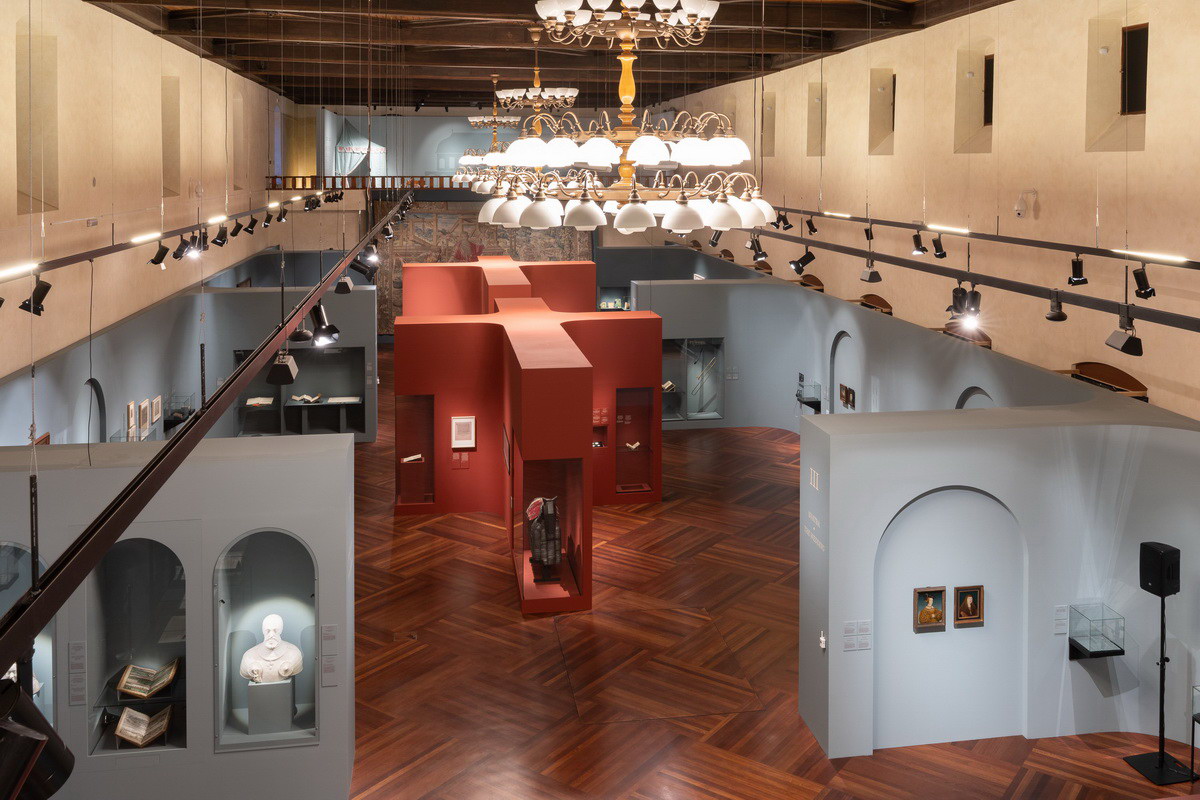
Combining works of art with historical documents across ten, thematically divided sections, the exhibition not only traces Queen Anne’s life, but charts the transformation of Europe in the first half of the 16th century. Alongside the story of the union between the Jagiellonian and Habsburg dynasties, it explores the development of Renaissance culture, the religious transformation of Europe, and the Ottoman threat that culminated in 1526 with the Battle of Mohács.
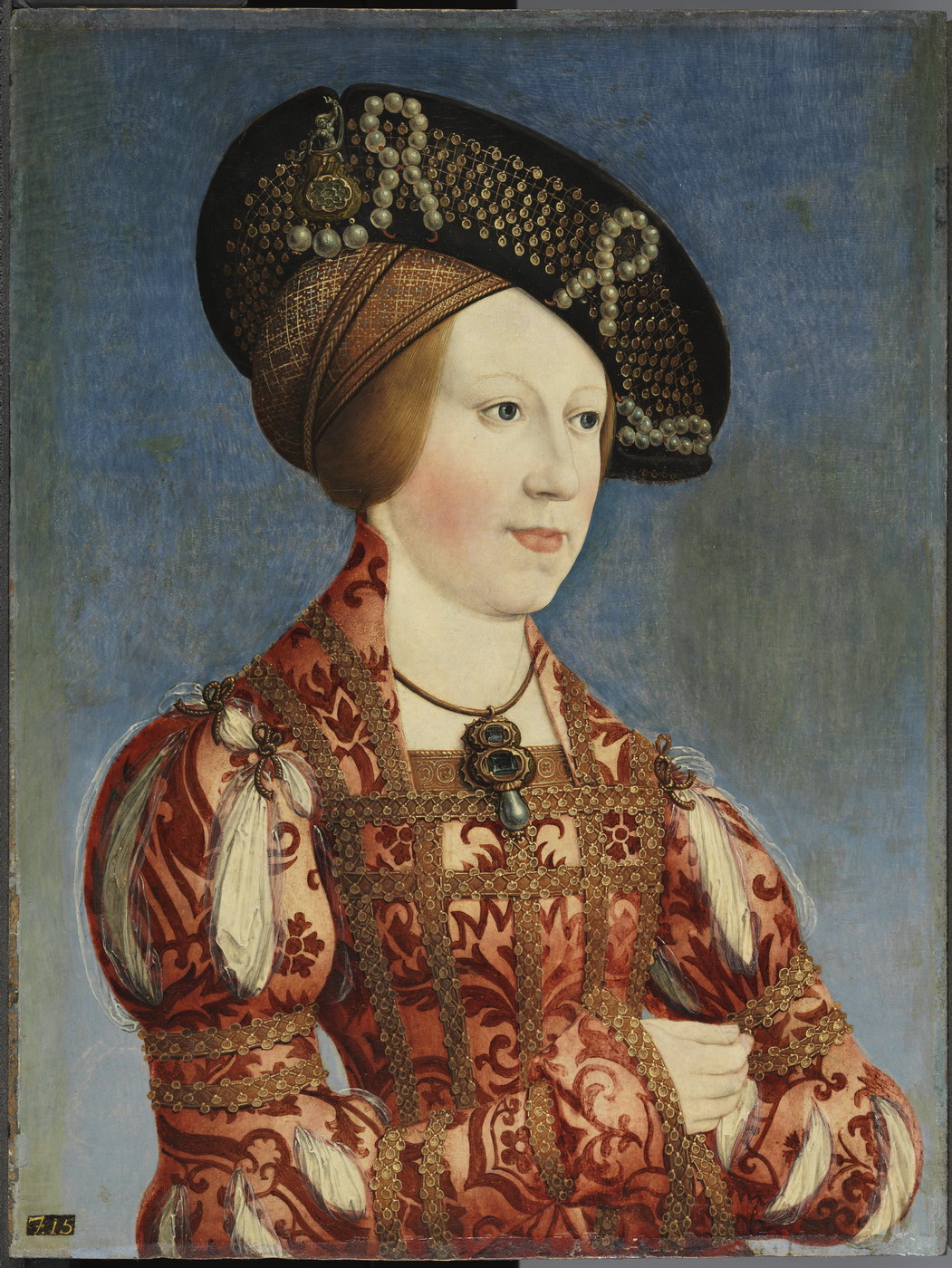
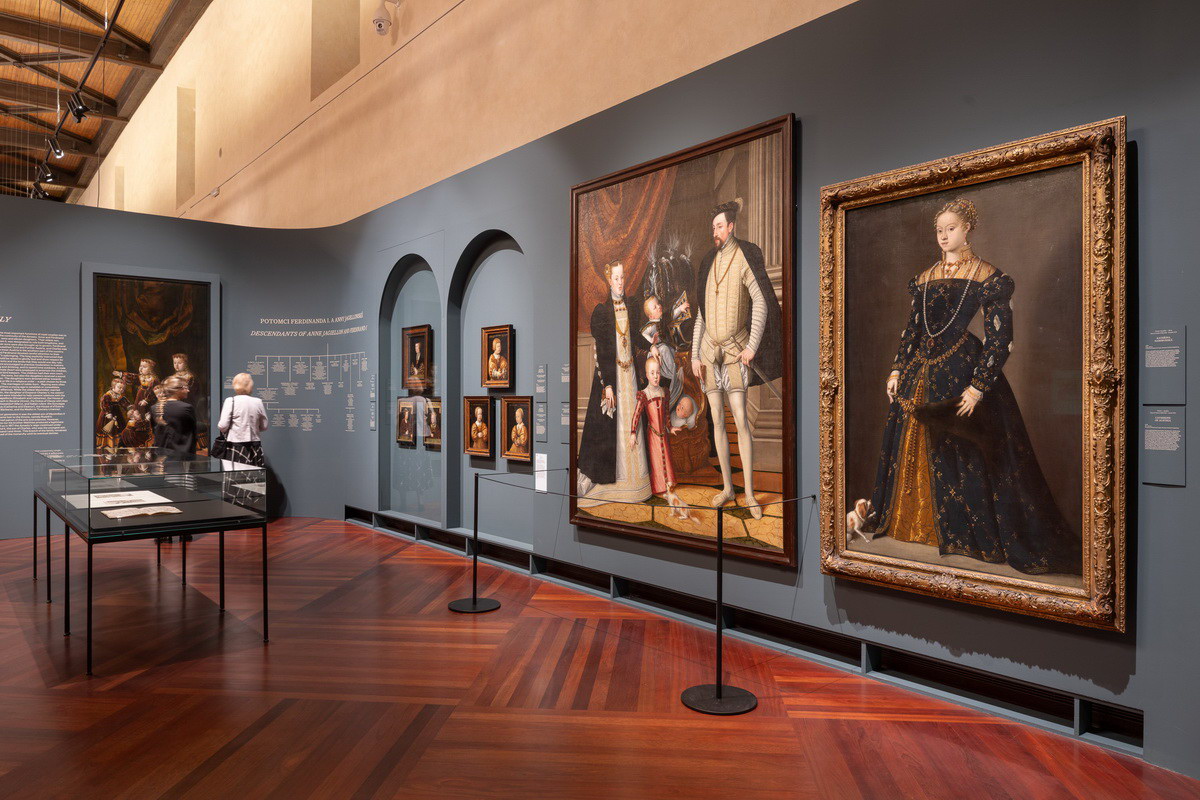
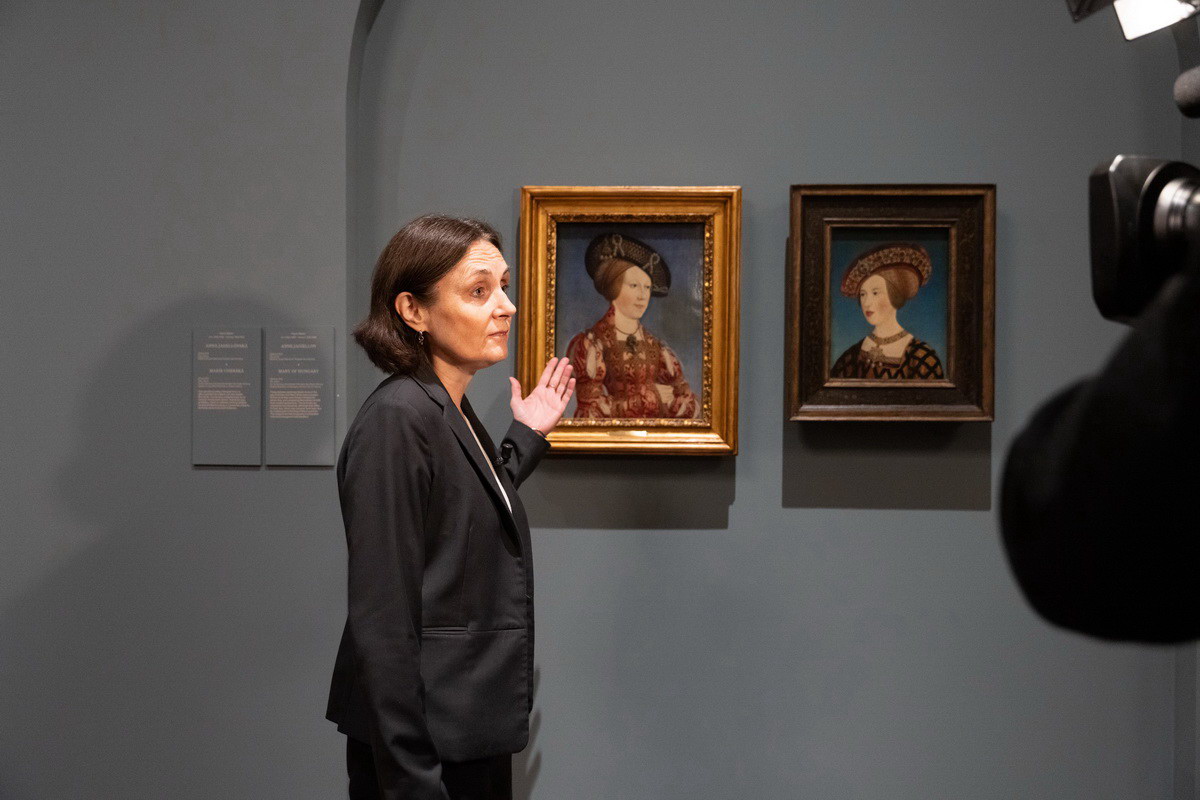
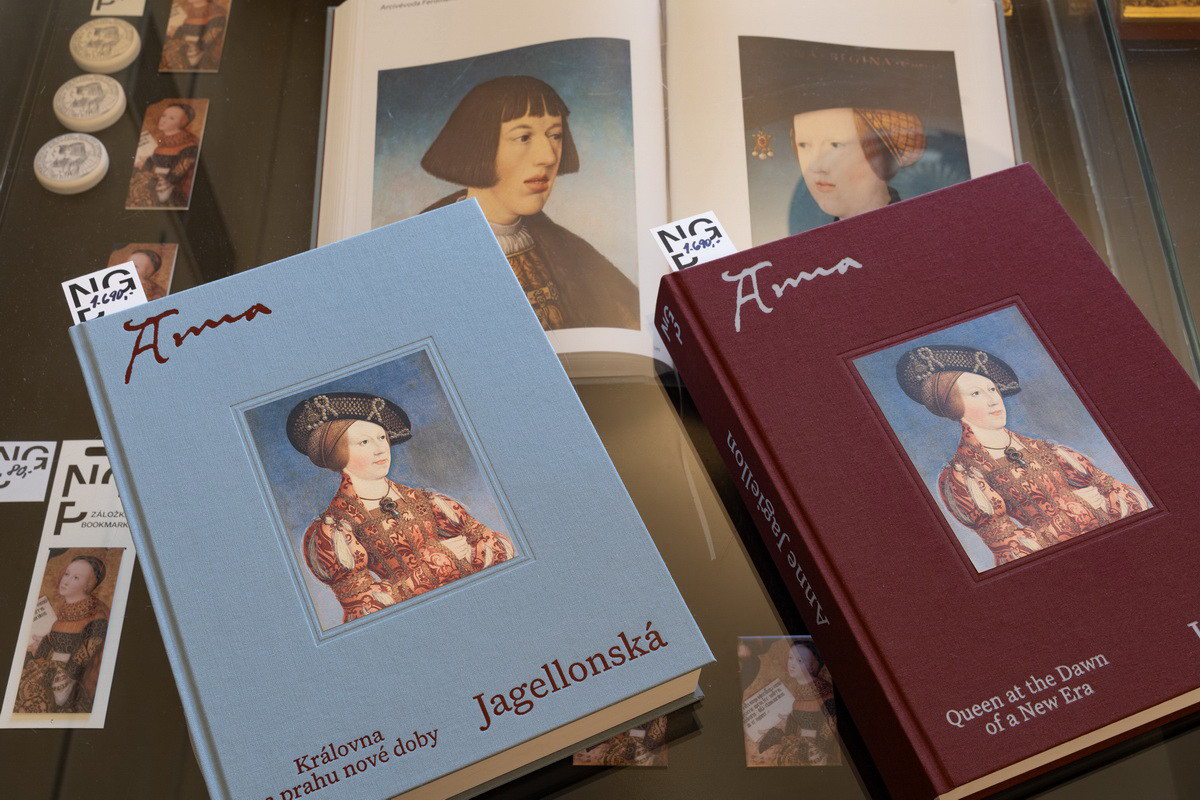
“The most important pieces in the exhibition include a portrait of the young Anne Jagiellon by Hans Maler, which serves as the main visual for the exhibition. There is also an extraordinary marble bust of Margaret of Austria by the Dutch Renaissance sculptor Conrad Meit, which was thought until recently to have been lost, and is thus a major discovery in the art-historical scene, as well as a personal notebook and signet ring belonging to Ferdinand I, and a charming portrait of Anna and Ferdinand’s children by Jakob Seisenegger,” details curator Blanka Kubíková, who is also the director of the Collection of Prints and Drawings at National Gallery Prague.
“The reconstruction of the monumental Prague Altarpiece by Lucas Cranach the Elder, originally created for St. Vitus’s Cathedral and one of the great masterpieces of the Jagiellonian and early Habsburg age, is a remarkable achievement, as is the digital reconstruction of Prague Castle as Anne Jagiellon would have known it, which has been created for this exhibition,” states Olga Kotková, General Director of National Gallery Prague.
Exhibited items likely to appeal to visitors also include the second-oldest known depiction of Prague, which captures the city just before the devastating fire of 1541 and will be shown in the Czech Republic for the first time. The exhibition also includes a unique table clock, created in 1527 by the Prague master Jakub Čech, one of the oldest extant dated and signed clocks of its kind. The period atmosphere is completed by Turkish horse armour, weapons, graphic prints documenting clashes with the Ottoman Empire, Renaissance music, archaeological finds from Prague Castle, and objects offering insight into the queen’s everyday life.
Anne’s personal story – first as a princess and later as the wife of Ferdinand I is a major theme of the exhibition. In the context of 16th-century dynastic marriages, their relationship is an unusual example of a partnership based on mutual trust and respect. Surviving correspondence reveals Anne as a sensitive woman who was responsive to the events around her. They also acquaint us with her lifestyle: despite giving birth to 15 children, she undertook difficult journeys across Europe and played an active role in the exercise of power alongside her husband. Rare documents from Czech, Austrian, and Hungarian archives and administrative correspondence document her political activity and the breadth of her social contacts. The exhibited objects and documents clearly show that “Anne Jagiellon not only witnessed great historical change, but also actively took part in it. Extant sources show her to be an educated, purposeful woman who also possessed social sensitivity. The exhibition thus allows visitors to view a watershed moment through the eyes of a person at the centre of the action. Through Anne, the public can witness social, political and cultural transformation at a time when a new Central Europe was taking shape,” notes exhibition curator Jaroslava Hausenblasová from the Institute of History at the Faculty of Arts, Charles University.
National Gallery Prague has also collaborated with specialist secondary schools on the exhibition: facsimiles of two rare documents have been created by students at the Secondary Technical School of Graphics in Prague, while students from the Secondary Technical School of Fashion have designed a dress inspired by Renaissance style, and the soundscape for the Queen’s Garden was created by a student from the Music and Dance Faculty at the Academy of Performing Arts in Prague.
Objects from National Gallery Prague’s collection are complemented by pieces borrowed from nearly 40 institutions and private collections in eight European countries. They include Museo Nacional Thyssen-Bornemisza Madrid, Staatliche Museen zu Berlin, Bayerische Staatsgemäldesammlungen München – Alte Pinakothek, Zamek Królewski na Wawelu, Tiroler Landesmuseum Ferdinandeum, Albertina Museum Wien, Castello del Buonconsiglio in Trent, Museum Hof van Busleyden in Mechelen, Magyar Nemzeti Múzeum, the National Archives, the National Heritage Institute, the National Museum, the Museum of Decorative Arts in Prague, the National Library of the Czech Republic, Strahov Library, and many other collections.
The exhibition also caters for young visitors with a special children’s trail. This allows them to set out on a journey with Queen Anne, playfully discovering ten selected artworks on the way, each featuring a special activity in an interactive case. The journey ends with a creative game in an experiential studio. The programme also includes a number of guided tours and lectures on various topics by the curators, specialist instructors, and other experts, as well as education programmes for school groups.
The exhibition launch is accompanied by the publication of an extensive catalogue in Czech and English editions, featuring contributions by nearly six dozen Czech and internationally renowned authors, including the current NGP General Director, Olga Kotková.
The exhibition partners are Kunsthistorisches Museum Wien, which has enhanced the exhibition with loans of important works of art, and Hodinářství Bechyně.
The project has been created in collaboration with the Austrian Cultural Forum in Prague, the Polish Institute in Prague, and the Senate of the Parliament of the Czech Republic.
Anne Jagiellon (1503–1547): Queen at the Dawn of a New Era
23 October 2026 – 28 March 2027 Waldenstein Riding School
Curators: Blanka Kubíková (NGP), Jaroslava Hausenblasová (Faculty of Arts, Charles University)
Photo: Jakub Přecechtěl